Essential Guide: How to Quickly Sell Your Home - Proven Strategies for a Rapid Sale
Selling a residence swiftly can be a complex challenge. It demands a blend of market insight, strategic pricing, and an appealing presentation. Numerous property owners miss crucial steps that can considerably impact their sale schedule. Grasping the nuances of the real estate market and utilizing proven strategies can make a real difference. What are the key factors that contribute to a quick sale? Exploring these components reveals critical insights that every seller should know.
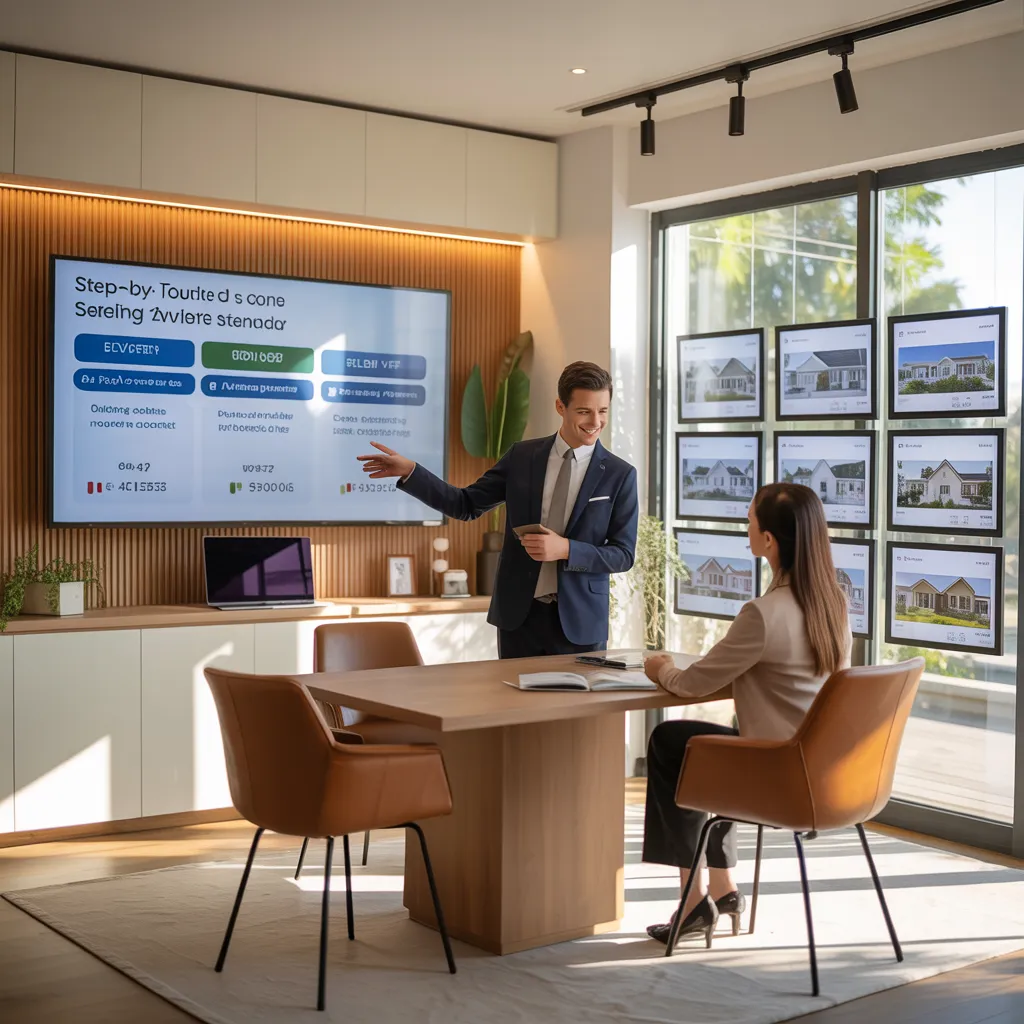
Comprehending the Housing Market
Managing the real estate market requires a thorough understanding of its dynamics. Sellers need to remain informed about local trends, including buyer preferences, neighborhood developments, and economic indicators that influence property values. Factors such as interest rates, inventory levels, and seasonal fluctuations play crucial roles in determining the market climate.
A savvy seller understands that timing is critical; listing a property during a seller's market, for example, can lead to quicker sales and potentially higher offers. Additionally, understanding the target demographic—whether families, young professionals, or retirees—permits sellers to tailor their marketing strategies successfully.
Building connections with local real estate experts can provide valuable insights into market dynamics and buyer behavior. In the end, an informed strategy to the real estate environment allows sellers to handle challenges and capitalize on opportunities, improving their probability of a quick and profitable sale.
Determining the Appropriate Price
Determining the correct property price is vital for attracting potential buyers and ensuring a swift sale. To establish an appropriate listing price, homeowners should investigate comparable properties in their area, often called "comps." These comps offer insight into recent sales, helping sellers assess the market value of their home. Furthermore, considering the distinctive characteristics and condition of the property can further enhance the pricing strategy.
Hiring a real estate agent can deliver valuable expertise, as they possess in-depth knowledge of local market trends and pricing strategies. Homeowners should also be mindful of the risks linked to overpricing, which can dissuade prospective buyers and lengthen the selling process. Alternatively, pricing too low may lead to financial loss. In the end, a carefully researched and competitive price can spark interest and promote a faster sale, benefiting both the seller and potential buyers.
Enhancing Curb Appeal
Improving curb appeal is crucial for attracting potential buyers quickly. Creative landscaping ideas can transform the front yard, while well-placed exterior lighting can highlight the home's best features. Together, these elements create a welcoming atmosphere that sets the tone for the property.
Fresh Landscape Design Concepts
Though a well-maintained home can appeal to potential buyers, fresh landscaping ideas serve a vital function in enhancing curb appeal. Simple upgrades can significantly impact first impressions. Incorporating vibrant flower beds with seasonal blooms can create a welcoming atmosphere. Incorporating native plants can minimize maintenance, appealing to environmentally conscious buyers. A well-defined walkway bordered by low-maintenance shrubs can lead visitors and increase visual interest. Strategically placed outdoor furniture can convey leisure and relaxation, inviting prospective buyers to envision themselves enjoying the space. Furthermore, mulch can provide a neat finish to flower beds while suppressing weeds. All in all, investing time in fresh landscaping ideas not only enhances a property but also elevates its marketability, making it more attractive to potential buyers.
Optimal Outside Lighting
Well-designed exterior lighting significantly enhances a home's curb appeal, especially during twilight hours when first impressions are often formed. Purposefully placed lighting can emphasize architectural features, illuminate landscaped areas, and create a warm, inviting atmosphere. Pathway lights lead potential buyers to the entrance, while spotlights can showcase focal points such as trees or sculptures. Moreover, porch lights should be functional yet stylish, providing safety and enhancing the home's character. Homeowners should consider energy-efficient LED options that offer long-term performance with minimized electricity costs. By thoughtfully illuminating the exterior, a property not only appears more attractive but also exudes a sense of care and maintenance, further enticing potential buyers to explore the home inside.
Professional Home Staging Techniques
Successful home staging techniques can markedly impact a buyer's perception and decision-making. Key strategies include decluttering and depersonalizing spaces to create a blank canvas environment that allows potential buyers to envision themselves in the home. Furthermore, enhancing curb appeal remains crucial, as a inviting exterior sets the tone for what lies inside.
Remove Clutter and Personal Items
To develop an inviting atmosphere that attracts potential buyers, homeowners need to prioritize decluttering and depersonalizing their space. This process involves removing extra furniture, personal items, and decorations that could distract from the home's features. By minimizing clutter, rooms appear more spacious, allowing potential buyers to imagine their own belongings in the space. Moreover, depersonalizing the environment by removing family photos and personal decor helps buyers view the home as a blank canvas. A neutral palette, combined with tasteful staging, can enhance the property's appeal. Homeowners should also concentrate on organizing closets and storage areas, as buyers often assess these spaces. To conclude, effective depersonalizing and decluttering can greatly expedite the selling process by making the home more marketable.
Enhance Curb Appeal
Developing an inviting interior is just one element of selling a home rapidly; improving curb appeal is equally important for making a strong first impression. Homeowners should focus on the exterior of their property to attract potential buyers. Straightforward actions like mowing the lawn, trimming hedges, and planting colorful flowers can substantially uplift the appearance. Fresh paint on the front door or shutters can also create an inviting atmosphere. Additionally, cleaning walkways and ensuring adequate lighting can boost aesthetic appeal and safety. Consider updating outdoor furniture to create a cozy seating area, showcasing the property's potential for relaxation. In summary, these effective home staging methods can help a property stand out in a competitive market, boosting the likelihood of a quick sale.
Effective Home Marketing Strategies
While many homeowners may feel overwhelmed by the selling process, marketing a get started home effectively is vital for drawing in prospective purchasers rapidly. A detailed marketing strategy can greatly increase visibility and generate interest. High-quality photographs showcasing the home's best features are important, as they create a strong first impression online. Furthermore, crafting a compelling listing description that highlights unique attributes and nearby amenities can draw in prospective buyers.
Leveraging multiple platforms is crucial; listing on popular real estate websites, social media, and local classifieds can expand reach. Hosting open houses and virtual tours permits potential buyers to experience the property firsthand. Engaging a real estate agent can also deliver valuable expertise and resources for effective marketing. Ultimately, a carefully planned marketing plan not only elevates the property's appeal but also hastens the selling process, guaranteeing a timely and profitable transaction.
Offer Negotiation and Deal Closure
Steering the negotiation process is critical for homeowners striving to sell their property swiftly and effectively. Once offers begin to roll in, it is essential for sellers to examine each one carefully, taking into consideration not only the price but also the terms and conditions. A well-prepared homeowner should be ready to answer with counteroffers, stressing their property's strengths and the urgency of their sale.
Understanding the market dynamics can enable sellers to negotiate confidently, guaranteeing they don't settle for under fair value. Clear communication is vital; this includes being open to discussions and addressing potential buyer concerns.
While negotiations continue, it is essential to stay versatile while preserving a strong position on deal-breakers. Once an agreement is reached, homeowners should validate all terms are precisely documented, laying the groundwork for a streamlined completion. Properly maneuvering this phase can result in a efficient and successful sale.
Picking the Best Selling Method
After maneuvering through the nuances of negotiations and securing a favorable offer, homeowners must determine the best method to sell their property. The choice often lies between traditional methods, such as listing with a real estate agent, or alternative options like selling to cash buyers or utilizing online platforms. Traditional sales typically involve showcasing the home, conducting open houses, and waiting for potential buyers, which can be prolonged. Conversely, selling to cash buyers can speed up the process, providing a quick closing without major repairs or showings.
Web-based platforms deliver a compromise approach, offering homeowners with tools to manage their listings while connecting with a broad audience. Finally, the correct selling method depends on individual circumstances, including time constraints, financial goals, and comfort level with the selling process. Thorough consideration of these factors will guide homeowners in making an informed decision for a rapid and successful sale.
FAQ
What Is the Typical Duration of the Selling Process?
The selling process typically takes between 30 to 90 days, contingent upon factors such as real estate market conditions, property listing price, and buyer demand. Each situation varies, determining the timeline for a completed home sale.
What Papers Are Necessary to Sell My Property?
To sell a house, key documents comprise the property deed, title insurance, disclosure statements, purchase agreement, and any applicable inspection reports. Further documentation might be needed in accordance with local regulations and the specifics of the sale.
Must I Inform Buyers About Any Home Defects?
Absolutely, disclosing home defects is necessary. Honesty builds trust and may avoid legal complications down the line. Buyers value transparency, and full disclosure may promote a smoother sale, eventually benefiting all parties involved in the sale.
Can I Sell My House As-Is, Without Repairs?
A homeowner can indeed sell their property as-is without completing any repairs. However, this approach may attract lower offers, as buyers often factor in the cost of necessary repairs when considering their purchase price.
What Are the Most Common Mistakes to Avoid When Selling?
Common mistakes in selling a house include setting an excessive price, dismissing necessary repairs, insufficient home staging, not marketing efficiently, and overlooking curb appeal. Understanding these pitfalls can greatly impact the selling outcome and overall timeline.